Finding the Right Mobile Tyre Fitting Service for Your Vehicle
Tyre problems can arise unexpectedly or develop gradually through everyday driving. A puncture, worn tread, damaged sidewall or persistent pressure loss can make it difficult or unsafe to continue a journey. Even when replacement is planned rather than urgent, finding time to visit a tyre centre may be inconvenient for drivers balancing work, family commitments and other responsibilities.
Choosing the right mobile tyre fitting service provides an alternative by bringing the necessary equipment and suitable replacement tyres directly to the vehicle. The work may be completed at home, at a workplace or another safe and accessible location, allowing motorists to deal with tyre problems without making an additional journey.
For drivers in Slough, where vehicles are widely used for commuting, local journeys and commercial purposes, the convenience of location-based tyre support can be particularly useful. However, not every requirement is the same. The appropriate service depends on the vehicle, tyre specification, type of damage, location and urgency of the situation.
Understanding what to consider before arranging an appointment can help drivers choose suitable support and provide the information required for an efficient visit. Although this guide focuses on Slough, the same considerations apply to motorists throughout the UK.
Check That the Service Is Suitable for Your Vehicle
The first consideration when arranging tyre assistance is whether the provider can supply and fit tyres suitable for the particular vehicle. Tyre requirements differ considerably between small cars, family vehicles, performance models, vans and light commercial vehicles. The correct size is only one part of the specification; load rating, speed rating and manufacturer requirements may also need to be considered.
Drivers can usually find important tyre information printed on the existing tyre sidewall. The markings identify dimensions such as tyre width, profile and wheel diameter. Providing these details when arranging an appointment makes it easier to establish which replacement options are suitable before someone travels to the vehicle.
Vehicle registration information can also help identify possible tyre specifications, although checking the tyre itself remains useful because wheels or tyres may have been changed previously. Where there is uncertainty, discussing the details before booking can prevent delays and reduce the likelihood of an unsuitable tyre being brought to the location.
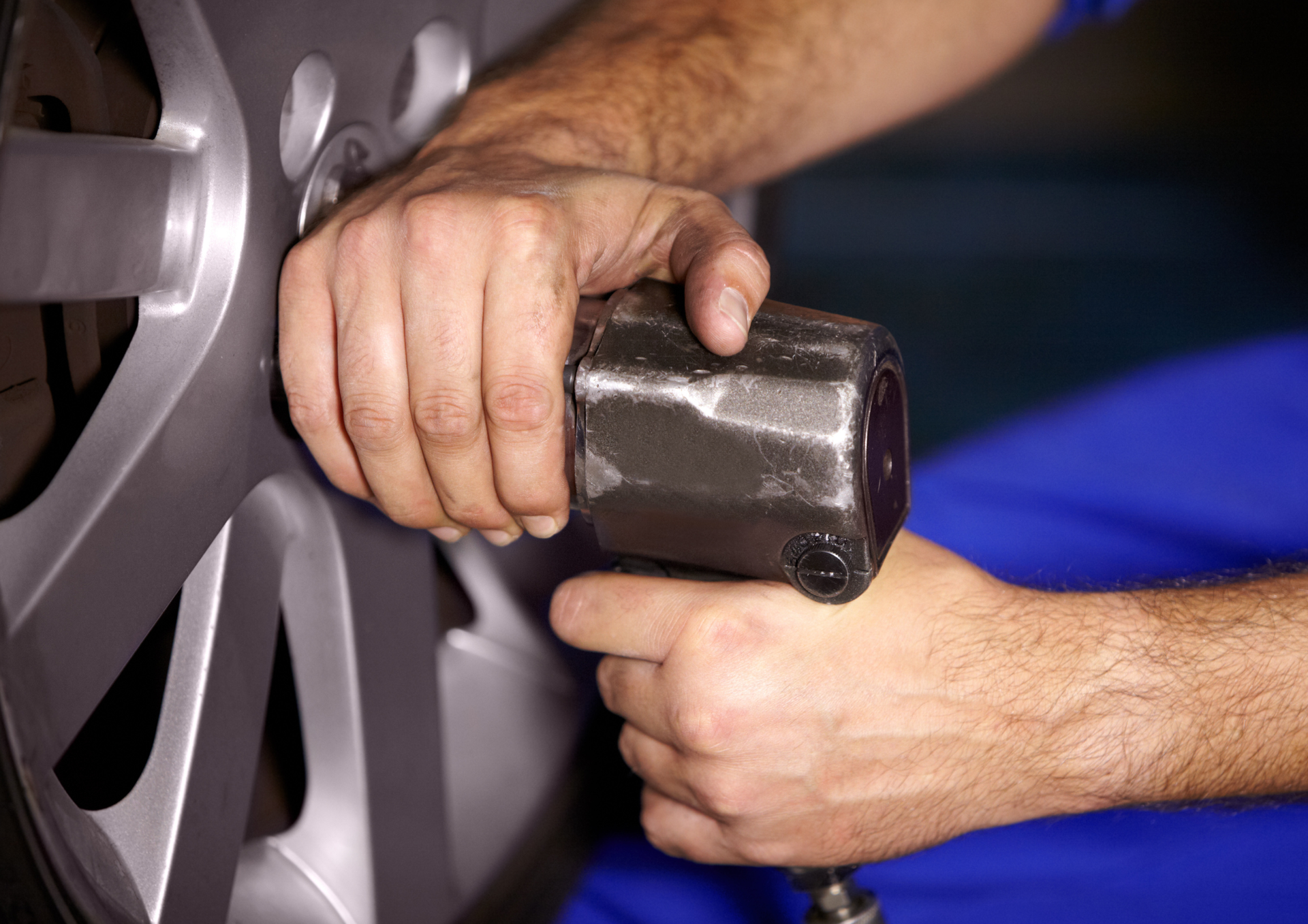
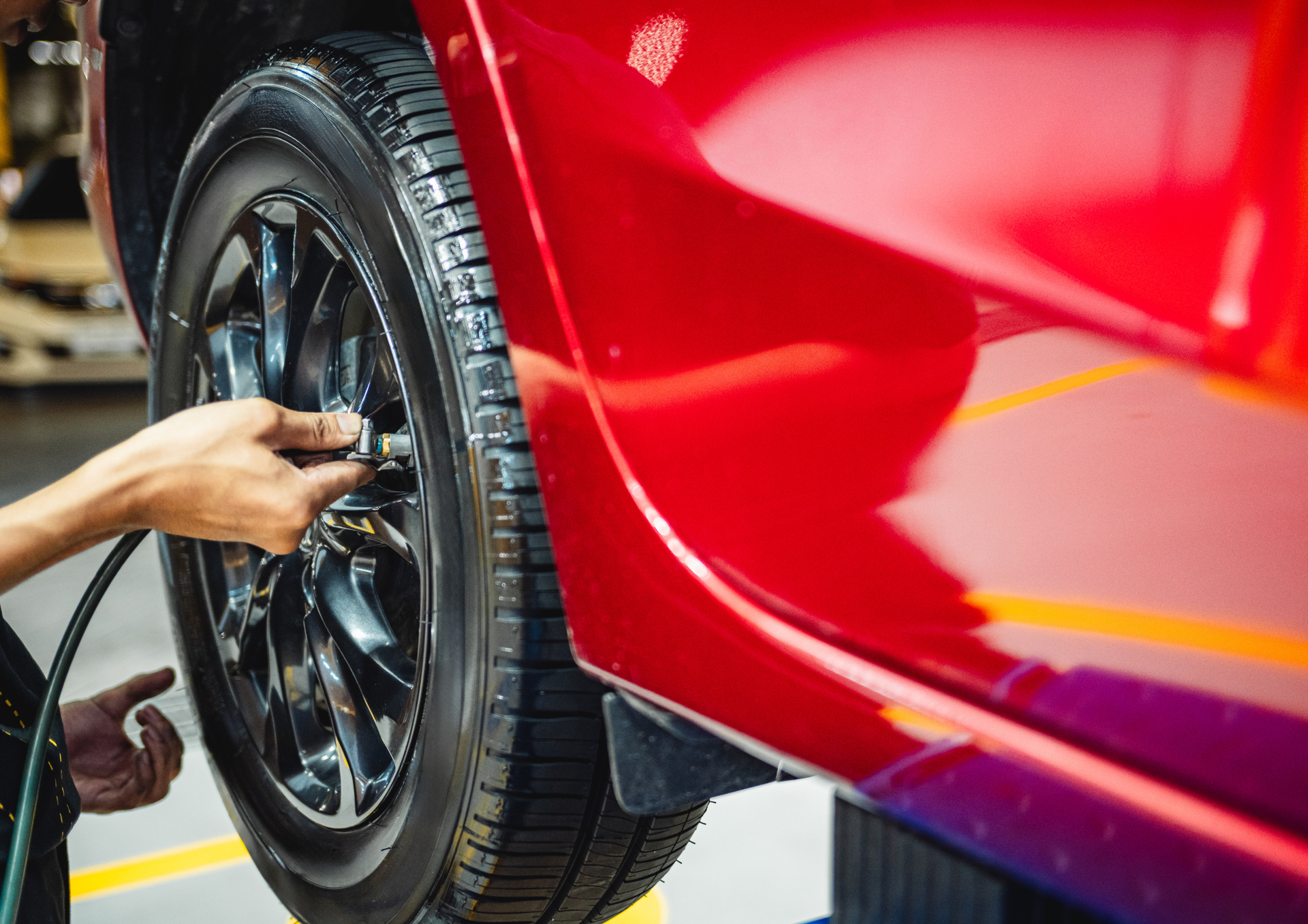
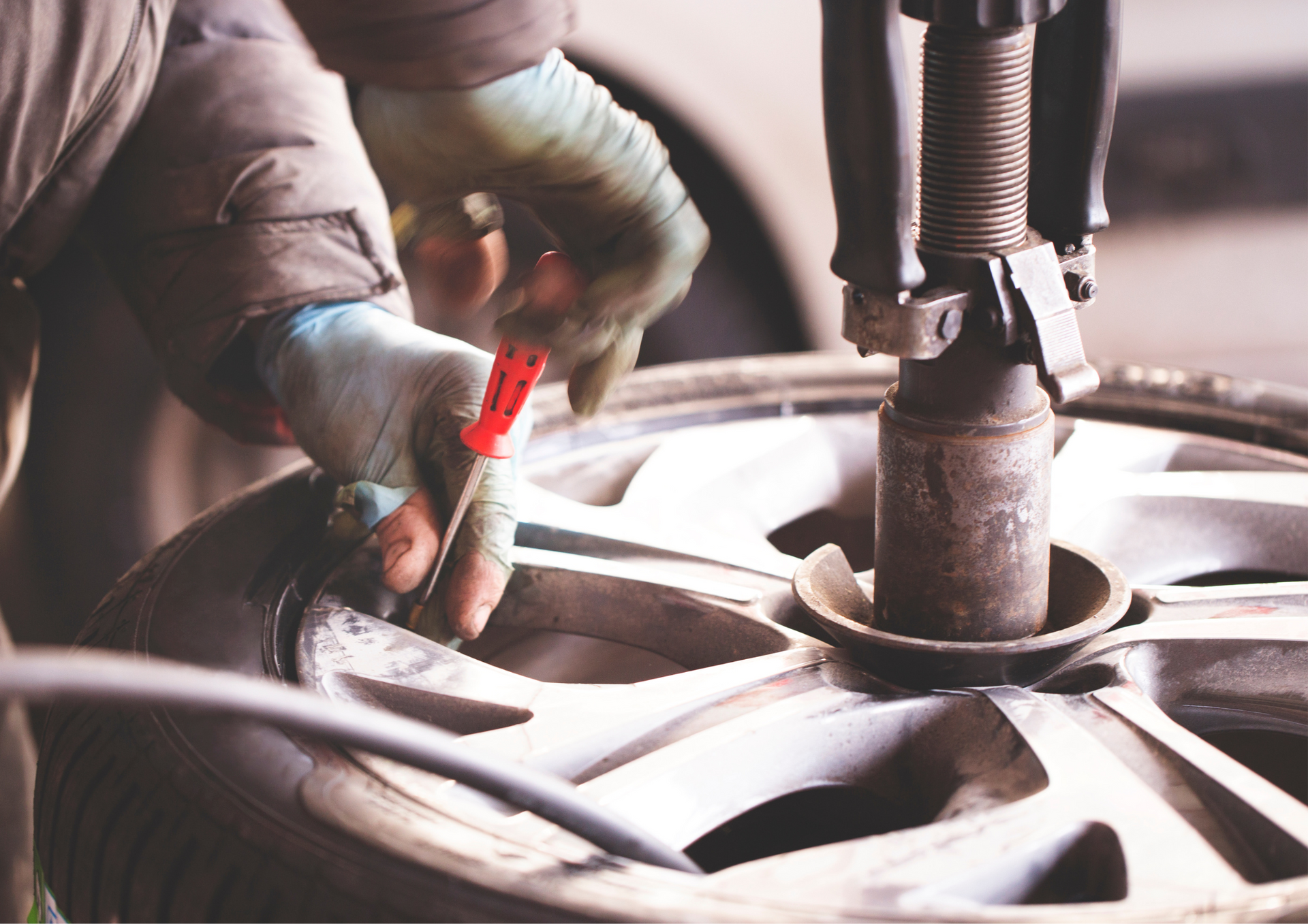
A professional mobile tyre fitting appointment should involve more than simply removing one tyre and installing another. The condition of the damaged or worn tyre should be assessed, the replacement should meet the vehicle's requirements, and fitting should be completed using appropriate equipment. Wheel balancing may also form part of the process to help prevent vibration and uneven wear after the vehicle returns to the road.
Vans and other working vehicles deserve particular attention because their tyres may need to accommodate heavier loads. Selecting a replacement based solely on physical dimensions could overlook important load requirements. Drivers should therefore mention the type of vehicle and how it is normally used when arranging assistance.
The same principle applies when more than one tyre requires attention. Uneven wear across an axle, differences in tread depth or repeated pressure problems may indicate that additional checks are worthwhile. A careful assessment can help determine what work is appropriate rather than automatically replacing components unnecessarily.
Know What to Look for Before Booking
A little preparation can make choosing a provider easier. Drivers do not need detailed technical knowledge, but collecting basic information about the vehicle, tyre and location can help ensure the appointment is suitable.
Consider the following before arranging a visit:
- Check the tyre size shown on the sidewall and provide the complete specification where possible.
- Explain whether the tyre is flat, slowly losing pressure, visibly damaged or simply worn.
- Mention whether the vehicle is a car, van or light commercial vehicle so that appropriate tyres and equipment can be considered.
- Check that there is enough safe working space around the vehicle for the tyre to be removed and replaced.
- Explain any access restrictions, such as underground parking, height barriers, security gates or narrow entrances.
- Ask what work is included in the fitting appointment, particularly if balancing or valve attention may be required.
- Confirm whether the tyre being supplied meets the required load and speed ratings for the vehicle.
- Provide an accurate location and contact details so that unnecessary delays can be avoided.
Motorists searching for mobile tyre fitting near me may be presented with several possible options, but proximity alone should not determine the decision. Vehicle suitability, availability, communication and clarity about the work being provided are equally important. A provider that asks relevant questions about the tyre and vehicle before attending is better positioned to arrive prepared for the individual situation.
Drivers should also avoid assuming that every damaged tyre automatically needs replacing. Some punctures may be repairable depending on their position, size and the overall condition of the tyre, whereas sidewall damage or substantial structural deterioration generally requires a different approach. An assessment helps establish the appropriate course of action.
Consider Location, Access and Appointment Timing
One of the main reasons drivers choose location-based tyre services is convenience. Instead of travelling to a fitting centre and waiting for work to be completed, the vehicle can remain where it is parked. This can be particularly helpful when a tyre is too badly damaged to drive on safely.
Home driveways are often straightforward locations for fitting because they usually provide predictable access and allow the vehicle to remain stationary. Workplace car parks may also be suitable, provided permission is available where necessary and there is sufficient space around the vehicle. Other private parking areas can sometimes be used if conditions allow safe working.
Location becomes more important when a vehicle is parked somewhere with restricted access. Multi-storey car parks, underground facilities and gated developments can have height limits, narrow entrances or access controls. Providing these details beforehand allows the practical requirements of the visit to be considered before arrival.
Timing can also influence the most appropriate service. A tyre discovered during a routine inspection may allow an appointment to be arranged around the driver's schedule. By contrast, damage noticed shortly before an essential journey may require a quicker response. Drivers looking for same day tyre fitting should provide the tyre specification and location as early as possible, as availability can depend on whether the required tyre can be sourced and how existing appointments are scheduled.
Slough motorists may use their vehicles for commuting towards London, travelling around Berkshire or supporting local business activity. A tyre problem before a working day can therefore have wider consequences than simply delaying one journey. Arranging work at the vehicle's location can reduce the time spent travelling to and waiting at a fitting centre.
However, convenience should not override safety. The working location needs to provide enough room for equipment and safe access around the affected wheel. A busy or exposed roadside position may not always be suitable, and an alternative arrangement may sometimes be required.
Understand When Replacement May Be Necessary
Not every tyre problem has the same solution. Knowing some of the circumstances that may make replacement necessary can help drivers understand what to expect when the tyre is assessed.
Common situations include:
- Tread depth that has reached or fallen below the legal minimum.
- Significant sidewall cuts, bulges or other structural damage.
- Punctures positioned in an area that cannot be safely repaired.
- Damage caused by driving on a tyre after substantial pressure loss.
- Severe cracking or deterioration associated with tyre age or condition.
- Repeated pressure loss that cannot be resolved through a suitable repair.
- Uneven or excessive wear that has substantially reduced usable tread.
- Damage to the tyre structure following an impact with a pothole, kerb or road debris.
A mobile tyre replacement can often be completed where the vehicle is parked, provided the location is suitable and the correct tyre is available. The damaged tyre can be removed, the replacement fitted and the wheel prepared for continued use without requiring the driver to make a separate journey to a fitting centre.
The cause of the problem is also worth considering. If one tyre shows severe uneven wear, simply fitting another may not address the underlying reason. Alignment, suspension condition or incorrect pressure could contribute to unusual wear patterns. Although these issues may require separate attention, recognising them helps drivers avoid treating repeated tyre wear as an isolated problem.
Regular tyre inspections remain valuable even when no obvious problem is present. Drivers should monitor tread condition, pressure and visible damage rather than waiting for a tyre to become unusable. This is particularly important for vehicles covering high annual mileage or carrying regular loads.
Choose Support Based on the Situation
The right tyre service depends on more than convenience. A planned replacement for worn tyres is different from dealing with a sudden puncture while preparing for work, and both situations differ from discovering serious tyre damage during a journey. Matching the service to the circumstances helps ensure the correct response.
For planned work, drivers have more opportunity to compare tyre options, confirm specifications and choose an appointment that suits their routine. This can be useful when replacing tyres because of normal tread wear, age or seasonal preparation. Booking in advance may also provide a wider choice of suitable products.
Unexpected problems require a different approach. A rapid loss of pressure, serious sidewall damage or a tyre that cannot safely support the vehicle may leave the driver unable to continue. In these circumstances, emergency mobile tyre fitting can provide location-based assistance without requiring the damaged vehicle to be driven to a tyre centre. The exact response will depend on the tyre required, accessibility of the location and availability at the time.
Communication is particularly important when assistance is urgent. Providing an accurate location, vehicle registration, tyre size and clear description of the problem can make it easier to prepare for the call-out. Photographs of the tyre markings or visible damage may also be useful when requested.
Drivers should never attempt to continue driving simply because reaching a fitting centre seems more convenient. A tyre with substantial pressure loss or structural damage may deteriorate further when driven, potentially damaging the wheel and affecting vehicle control. Where the condition is uncertain, keeping the vehicle stationary until the tyre can be assessed is generally the more cautious approach.
Choosing a mobile tyre fitting service should therefore involve considering the complete situation: the vehicle, tyre specification, type of fault, location, timing and required work. A service that matches these factors is more likely to provide an efficient and straightforward experience.
Finding appropriate tyre support involves more than choosing the nearest available provider. Drivers should consider whether the required tyre specification can be supplied, whether the vehicle's location offers suitable access, what work is included and how quickly assistance is genuinely needed.
Checking tyre markings and explaining the nature of the problem before booking can help prevent delays. Drivers should also understand that punctures, worn tread, sidewall damage and pressure loss may require different solutions, making assessment an important part of the process.
For motorists in Slough and elsewhere in the UK, location-based fitting provides a convenient way to deal with tyre maintenance without arranging an unnecessary journey to a fitting centre. Selecting a service based on the actual needs of the vehicle helps support safe, reliable and efficient tyre care.
Mobile Tyre Fitting Slough provides practical on-site tyre support for drivers throughout the local area. We understand that vehicles have different tyre specifications, conditions and access requirements, which is why we focus on gathering the relevant details before arranging each call-out.
Our mobile tyre fitting service focuses on clear communication, careful fitting and convenient appointments at suitable locations. Whether you have noticed gradual tyre wear at home or discovered unexpected damage before a journey, we aim to make arranging professional tyre assistance straightforward and convenient.
By bringing tyre fitting directly to vehicles across Slough, we help car owners, van drivers and other motorists reduce unnecessary travel and disruption while ensuring appropriate attention is given to their individual tyre requirements.
Check out our latest X update on finding the right
mobile tyre fitting service for your vehicle!
You might also like